Understanding Myopia
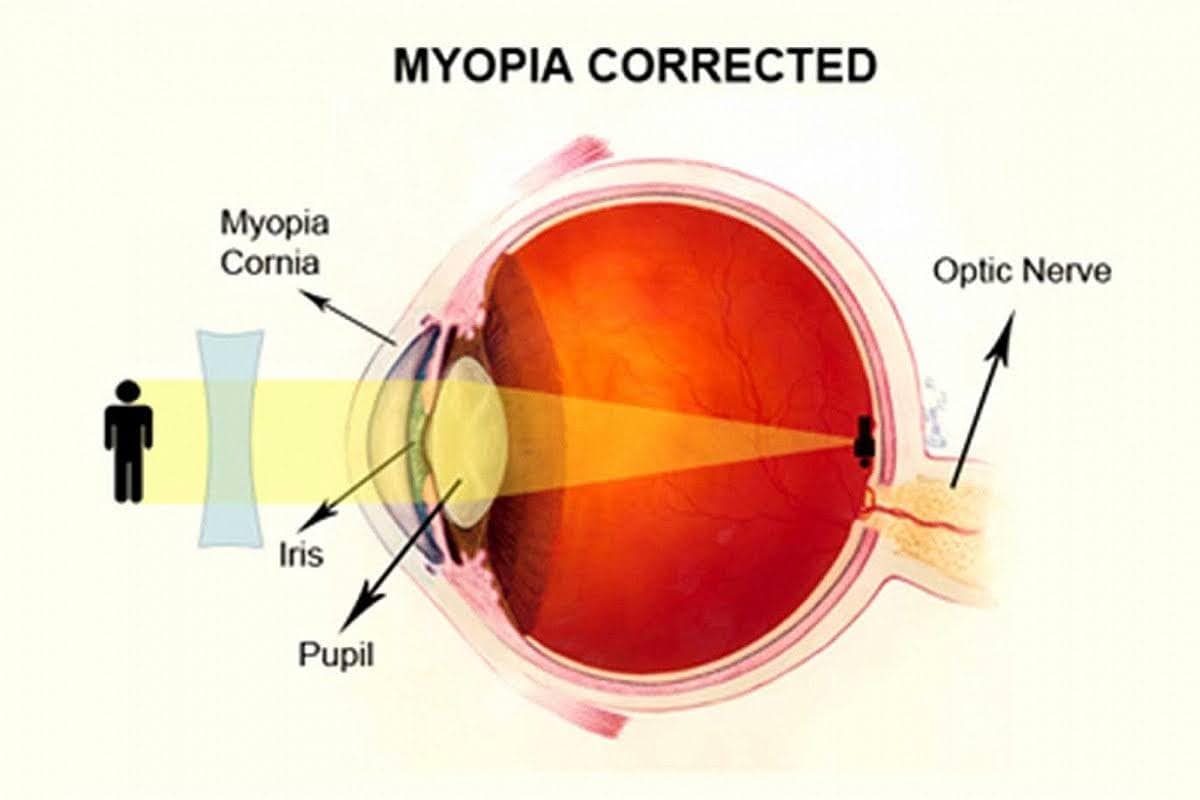
Myopia occurs when the eye focuses light in front of the retina instead of directly on it. This causes distant objects to appear blurry, while close vision is usually clearer. Myopia often makes it difficult to see things clearly in the distance, such as the whiteboard at school, the television, or road signs when driving at night.
What is myopia?
Myopia, or short-sightedness, is when you see clearly up close, but things in the distance look blurred, such as road signs, whiteboards or TV subtitles.
It happens when the eye grows a little too long or the front surface (cornea) is too curved, so light focuses in front of the retina instead of directly on it.
Identifying the Common Signs of Short-Sightedness
Myopia is very common and often first noticed in children and teenagers.
Signs can include squinting to see clearly, sitting close to the TV or board and bringing books/devices very close.

Why early detection matters?
Myopia usually develops while the eyes are still growing, so it can progress more quickly during childhood and adolescence. Detecting it early means we can keep vision clear for school, sport and everyday life, and start monitoring how the prescription is changing over time.
Higher levels of myopia are linked with an increased risk of eye problems later in life, such as retinal detachment, glaucoma and myopic maculopathy. By identifying myopia early and managing it proactively, we can work to reduce how high the prescription becomes and help protect long‑term eye health.
Myopia Control
Today we can do more than simply update the glasses each year. Myopia control treatments are designed to correct vision and also slow how quickly a child’s myopia progresses. This can make a meaningful difference to their future prescription and their risk of eye disease as an adult.
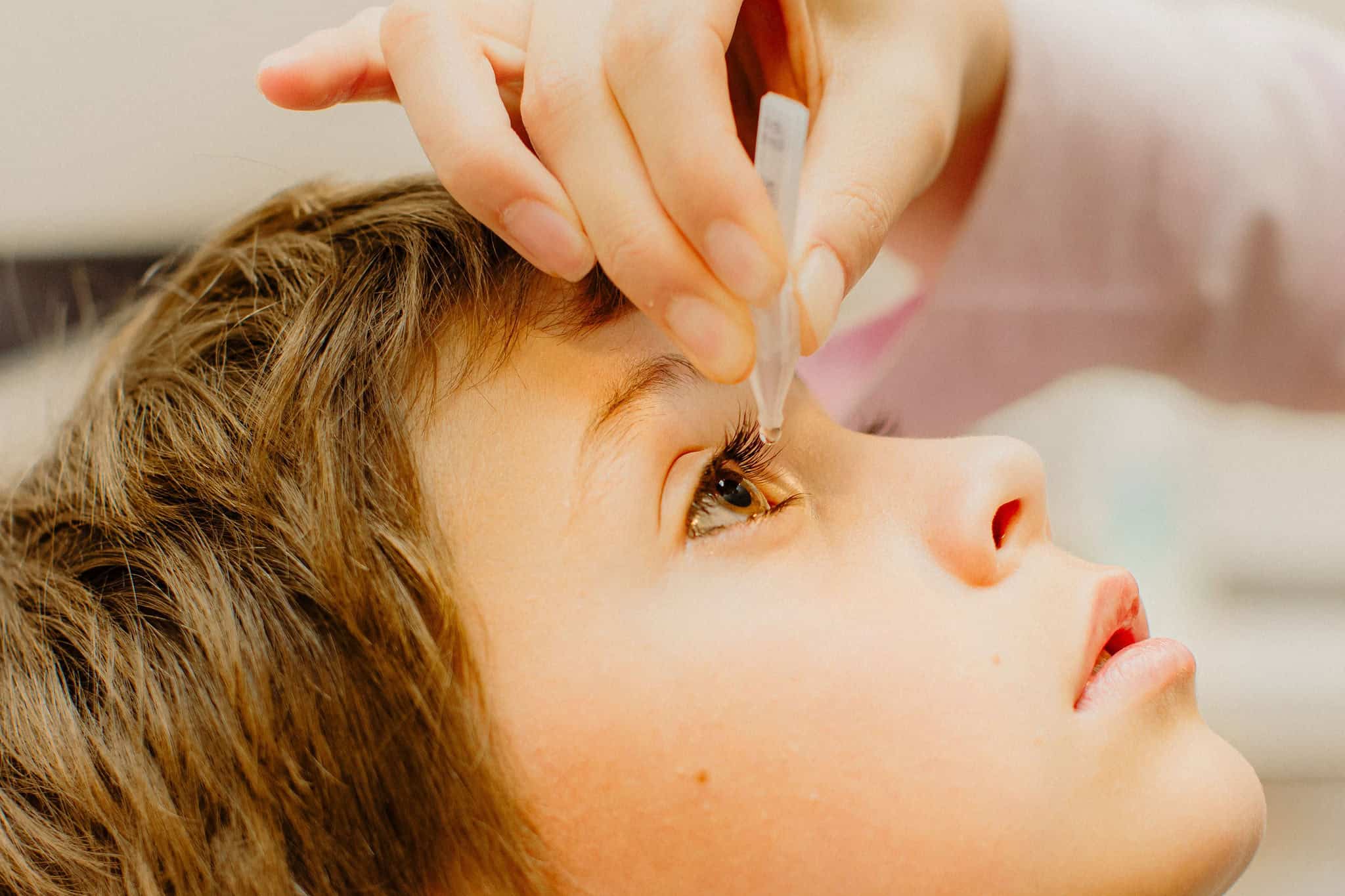
Options may include specially designed spectacle lenses, soft contact lenses, orthokeratology (overnight lenses) or low‑dose atropine eye drops. We’ll discuss these in more detail at your appointment. and read more about myopia control.
Treatment and How We Can Help
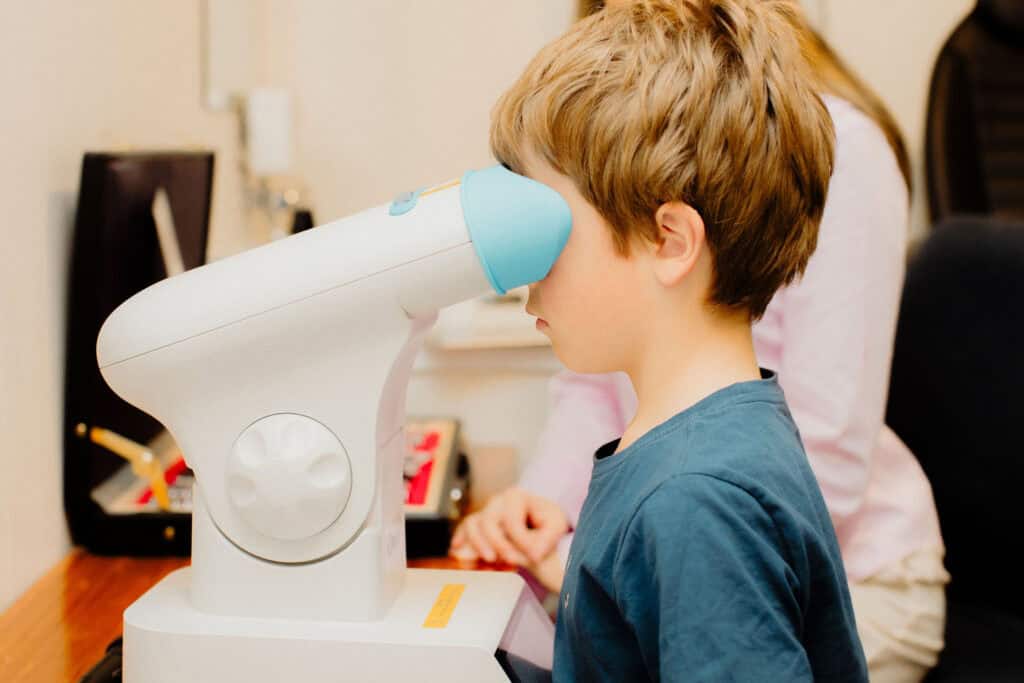
Regular eye examinations allow us to track changes over time and recommend the right combination of clear vision correction and myopia control where appropriate.
Whether you’re concerned about your child’s vision or noticing more blur in the distance yourself, we’re here to guide you through your options and create a plan that fits your lifestyle.